
From source to sip
The story behind your next cup.
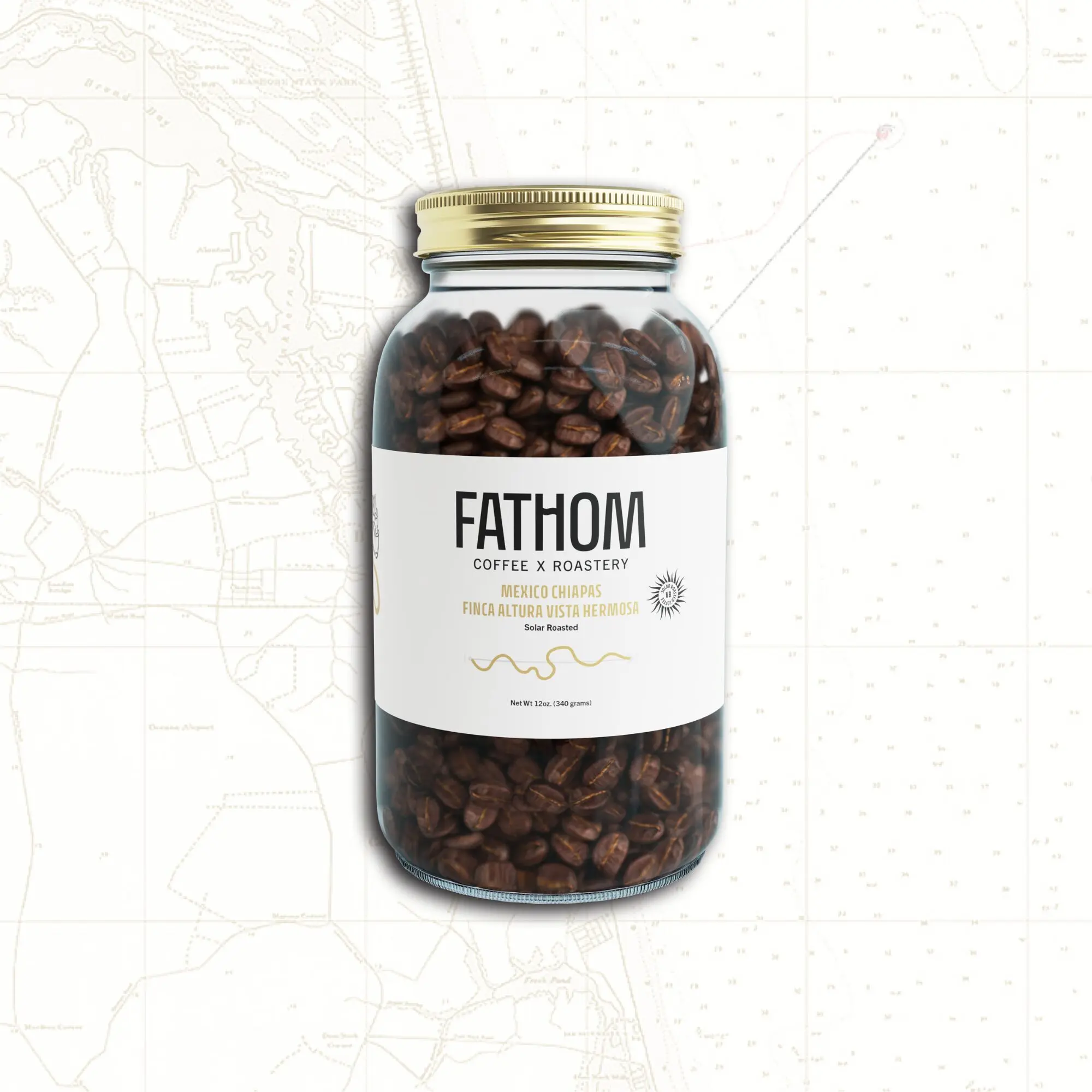
In the cool highlands of Chiapas, two rivers meet at a place the Tzotzil people call Chimhucum. The name means "Two Rivers," and the wet, cold microclimate it shapes gives this Mexican coffee its quiet depth.
Mexico ranks among the world's largest coffee producers, and much of its finest coffee comes from Chiapas, the southern state that borders Guatemala. Within Chiapas, the Los Altos highlands rise into a rugged terrain of pine forest and cloud, farmed largely by Tzotzil and Tzeltal communities whose families have grown coffee here for generations. Chimhucum sits in this landscape, where elevation and a cool, damp climate slow the cherries as they ripen.
Read the full story
The Coffee Story
The SourceThe Highlands of Los Altos
Mexico ranks among the world's largest coffee producers, and much of its finest coffee comes from Chiapas, the southern state that borders Guatemala. Within Chiapas, the Los Altos highlands rise into a rugged terrain of pine forest and cloud, farmed largely by Tzotzil and Tzeltal communities whose families have grown coffee here for generations. Chimhucum sits in this landscape, where elevation and a cool, damp climate slow the cherries as they ripen.
That slow maturation is the gift of altitude. Cherries grown high and cold develop more densely, concentrating sugars and acids that later translate into clarity in the cup. You can read more about why this matters in our guide to high-altitude coffee . The farms here are smallholdings, shade-grown beneath a canopy of native trees, with water conservation woven into daily practice. Coffee in these communities is less a commodity than a thread of cultural continuity.
The CraftA Process Between Two Worlds
This lot is semi-washed, a method that sits between the clean precision of fully washed coffee and the fruit-forward sweetness of natural processing. After harvest, producers depulp the cherries but leave the sticky mucilage on the bean, then dry the parchment in the sun. The sugars in that mucilage settle into the seed as it dries, building body and sweetness while preserving the bright acidity that washed processing is known for. To see how these approaches differ, read our breakdown of natural and washed processing methods .
We roast this coffee to City+, a medium-light level that protects the highland acidity and lets the chocolate and fruit notes stand on their own rather than burying them under roast. The result keeps the origin legible in every cup.
The CupLayered and Lively
The first impression is full and rounded, carried by dark chocolate and brown sugar. As the cup opens, brighter notes surface: mandarin orange and ripe mango, with a whisper of strawberry and almond underneath. The semi-washed body gives it weight, while the highland acidity keeps it lifted and clean through the finish.
It is a coffee that rewards attention, complex enough to sip slowly yet comforting enough for an everyday pour.